From competitive athletes to everyday individuals, discover how neuromuscular rehabilitation can support strength, mobility, recovery, and a return to the activities you love.
Whether you’re an athlete recovering from an injury, a weekend warrior struggling with knee pain, or someone simply trying to walk comfortably, play with your grandchildren, or enjoy your favorite hobbies, chronic pain can change your life.
For many people, the possibility of surgery raises important questions. Is surgery really necessary? Are there other treatment options? What will recovery look like? And most importantly, will you be able to return to the activities you love?
At Neuro Sports Performance & Rehab in San Antonio, Texas, we believe patients deserve to explore their rehabilitation options and understand how their bodies function before making major treatment decisions.
One option is ARPwave Therapy, a specialized form of neuromuscular electrical stimulation designed to address muscle activation, movement patterns, and physical performance.
For some individuals, ARPwave may be a valuable part of a nonsurgical rehabilitation program. For others who have already undergone surgery, it may provide additional support during the recovery process.
The goal isn’t simply to feel better temporarily. It’s to build the strength, mobility, and confidence needed to get back to living.
Why Pain Doesn’t Always Mean Surgery Is the Only Answer
When an athlete experiences persistent knee pain or an active adult develops chronic shoulder or back discomfort, it’s easy to assume something must be surgically repaired.
However, pain can be influenced by several factors, including:
- Muscle weakness and imbalances
- Altered movement patterns
- Reduced neuromuscular coordination
- Previous injuries
- Joint degeneration
- Loss of mobility and physical conditioning
- Compensatory movements that place additional stress on surrounding tissues
Not every painful condition requires surgery. Depending on the diagnosis, rehabilitation, strengthening, activity modification, and other conservative treatments may help improve function and manage symptoms.
The American Academy of Orthopaedic Surgeons recognizes exercise and physical therapy as important nonsurgical treatment options for conditions such as knee osteoarthritis.
That doesn’t mean surgery is never necessary. Significant structural damage, instability, progressive neurological symptoms, and certain other conditions may require surgical evaluation or intervention.
But when conservative treatment is medically appropriate, improving the way muscles activate and support the body can be an important part of recovery.
What Is ARPwave Therapy, and How Does It Work?
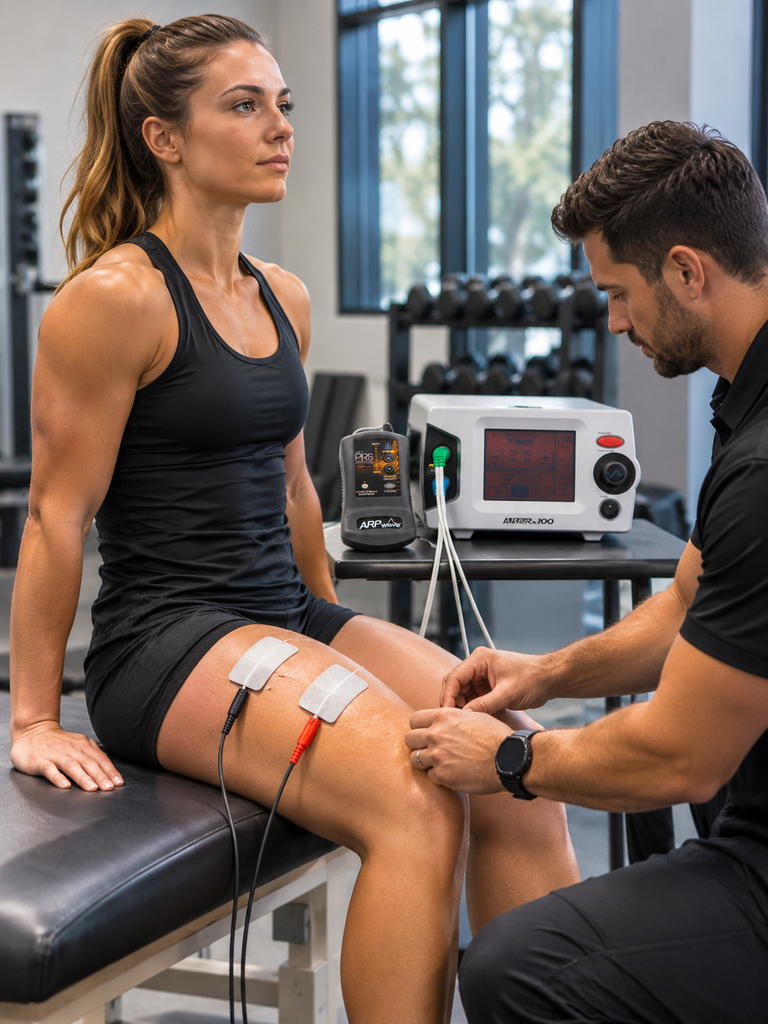
ARPwave, short for Accelerated Recovery Performance, uses electrical stimulation combined with guided movement and exercise to engage the neuromuscular system.
Your nervous system and muscles work together every time you walk, squat, lift, run, jump, or reach overhead.
Following an injury, surgery, or prolonged period of pain, normal muscle activation and movement patterns can become disrupted.
For example, someone with knee pain may begin favoring one leg. Over time, this can contribute to weakness, reduced confidence, and changes in how they squat, climb stairs, or walk.
ARPwave Therapy aims to support rehabilitation by:
1. Encouraging muscle activation
Electrical stimulation can produce muscle contractions and may help patients engage muscles that have become difficult to activate effectively.
2. Supporting strength development
When combined with appropriate exercise, neuromuscular stimulation may help improve muscle recruitment and contribute to strengthening efforts.
3. Addressing movement limitations
Guided movement during treatment allows therapists to work toward improving coordination, mobility, and functional movement patterns.
4. Supporting a return to activity
As patients regain strength and movement confidence, rehabilitation can progress toward the activities most important to them.
ARPwave is not a substitute for diagnosing or repairing structural injuries. Research on neuromuscular electrical stimulation supports some of these rehabilitation principles, but ARPwave’s specific ability to prevent surgery or outperform conventional rehabilitation has not been established through large, high-quality clinical trials.
The Statistics: What Does Research Tell Us?
The potential value of neuromuscular rehabilitation is supported by research into electrical stimulation, muscle recovery, and postoperative rehabilitation.
Here are several findings worth understanding.
33 Million Americans Live With Osteoarthritis
According to the Centers for Disease Control and Prevention, approximately 33 million adults in the United States have osteoarthritis.
This common joint condition can cause pain, stiffness, swelling, and difficulty performing everyday activities.
For some, that means giving up running or recreational sports. For others, it means struggling with grocery shopping, gardening, or walking up stairs.
Although osteoarthritis cannot currently be reversed through rehabilitation, appropriately prescribed exercise and strengthening can help manage symptoms and improve function.
691 Patients Studied After Knee Replacement Surgery
A systematic review and meta-analysis published in Frontiers in Medicine examined nine randomized controlled trials involving 691 patients recovering from total knee replacement.
Researchers found that adding neuromuscular electrical stimulation to rehabilitation improved quadriceps strength at several follow-up periods.
Some improvements in pain and functional performance were also reported, although not every difference was clinically meaningful.
This research supports the potential value of electrical stimulation as an addition to rehabilitation, particularly when rebuilding muscle strength after surgery.
14 Studies Examined Electrical Stimulation Following ACL Reconstruction
The 2023 Aspetar clinical practice guideline reviewed research on neuromuscular electrical stimulation after ACL reconstruction.
The guideline found that adding stimulation to conventional rehabilitation produced a moderate improvement in quadriceps strength.
It recommends NMES during the early stages of recovery to help stimulate muscle activation and limit muscle loss.
Importantly, researchers did not find that NMES consistently shortened the time required to return to sports.
What does this mean for ARPwave patients?
Electrical stimulation is a legitimate rehabilitation tool with evidence supporting certain applications. ARPwave incorporates electrical stimulation into its own treatment approach, but results from general NMES research should not be interpreted as proof that ARPwave produces identical outcomes.
ARPwave as an Alternative to Surgery: When Conservative Rehabilitation May Help
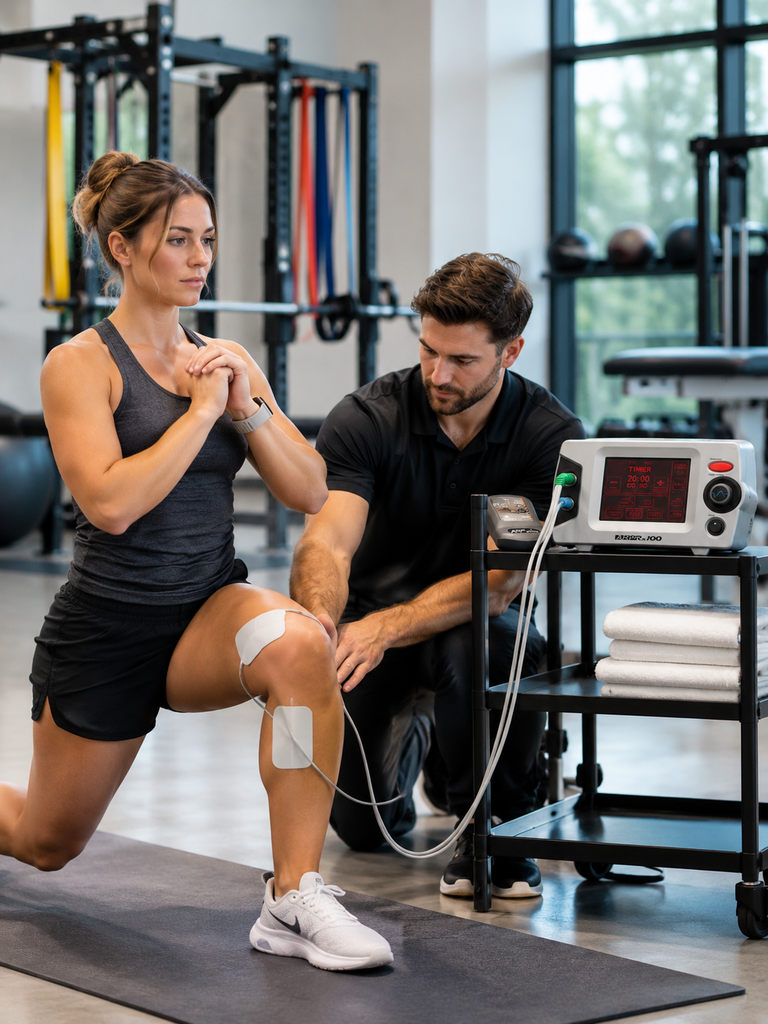
One of the most common reasons people explore ARPwave Therapy is the desire to avoid surgery when possible.
Whether you’re dealing with recurring knee pain, shoulder discomfort, or an old injury that continues to interfere with daily life, a structured rehabilitation program may help you regain function without undergoing an operation.
For Athletes: Returning to Competition Without Unnecessary Surgery
Athletes place tremendous demands on their bodies.
Repeated sprinting, jumping, cutting, lifting, throwing, and sudden changes in direction can create significant physical stress.
Common concerns include:
- Knee pain associated with overuse or certain degenerative conditions
- Patellar tendinopathy
- Achilles tendinopathy
- Muscle strains
- Shoulder discomfort
- Recurring ankle instability
- Movement limitations following previous injuries
When an injury does not require surgical repair, rehabilitation may focus on restoring strength, controlling movement, and gradually rebuilding tolerance for athletic activity.
For a soccer player, that could mean progressing from basic strengthening to running, cutting, and changing directions.
For a basketball player, it could involve rebuilding the strength and control needed to jump and land.
For a runner, the goal may be improving lower-extremity strength and gradually returning to training without recurring symptoms.
ARPwave can be considered as one component of this process, depending on the athlete’s diagnosis and rehabilitation needs.
For Everyday People: Getting Back to Normal Life

Not everyone is trying to return to a football field, basketball court, or marathon.
Sometimes the most meaningful recovery goals are much simpler.
Maybe you want to:
- Get down on the floor to play with your children or grandchildren.
- Work in your garden without knee or back pain.
- Return to golfing, hunting, fishing, or hiking.
- Walk your dog comfortably.
- Enjoy a full day of shopping or sightseeing.
- Return to the gym after years of avoiding exercise.
- Work around the house without constantly worrying about discomfort.
These activities may not involve professional sports, but they still require strength, balance, coordination, and endurance.
At Neuro Sports Performance & Rehab, we believe those goals deserve just as much attention as returning an athlete to competition.
When Surgery Is Necessary: How ARPwave May Support Recovery
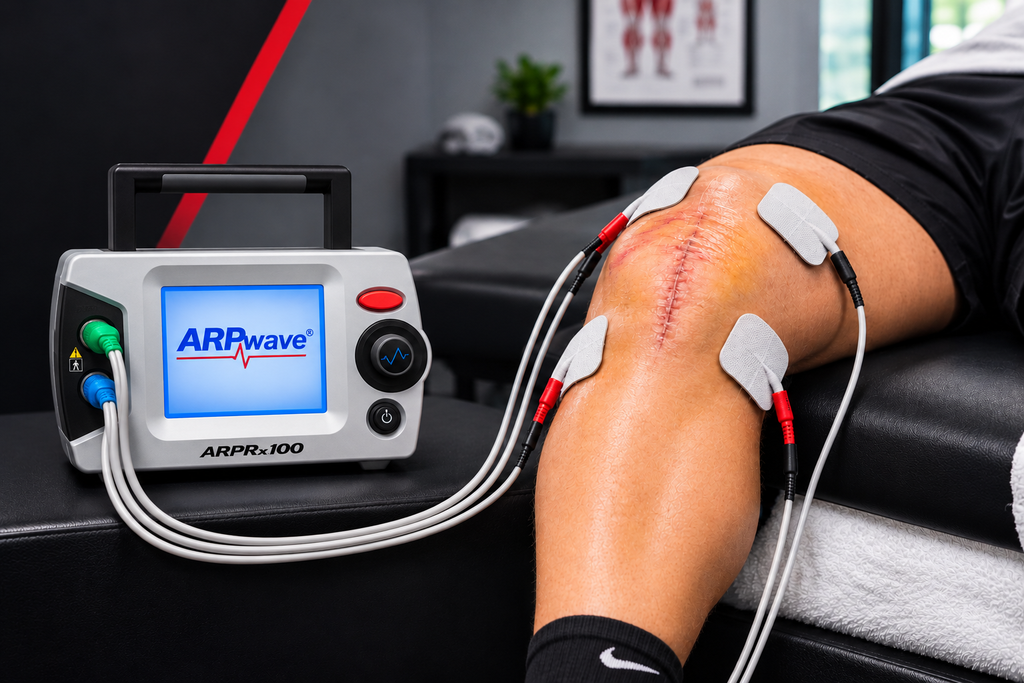
Sometimes surgery is the most appropriate treatment.
A completely torn ligament, significant structural injury, advanced joint degeneration, or another medical condition may require an operation to restore stability or function.
But surgery is only one part of the recovery process.
After an operation, patients often face additional challenges:
- Muscle weakness and loss of conditioning
- Difficulty activating muscles around the surgical area
- Reduced range of motion
- Altered walking or movement patterns
- Fear of reinjury
- Difficulty returning to normal activities
This is where neuromuscular rehabilitation may offer additional support.
1. Rebuilding Muscle Activation After Surgery
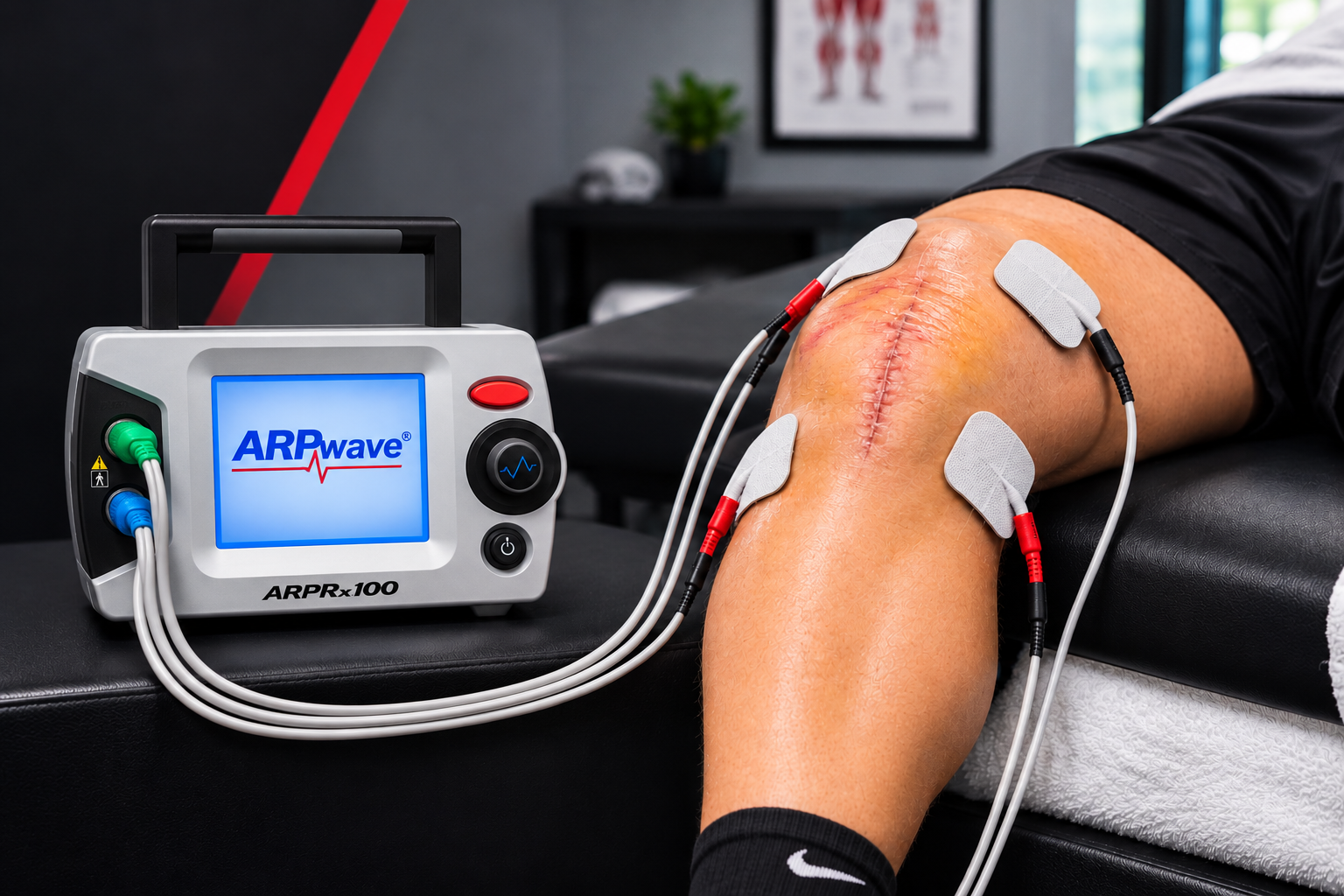
Following knee surgery, patients frequently experience difficulty activating their quadriceps.
This can occur because of pain, swelling, and changes in the nervous system’s ability to fully activate the muscle.
Even after the surgical repair is complete, weakness may continue to affect walking, stairs, and other activities.
Research supports using neuromuscular electrical stimulation alongside conventional rehabilitation in certain postoperative situations.
ARPwave may be considered as an additional tool to assist with muscle activation, provided the surgeon has approved its use.
2. Restoring Strength and Stability
Strength is essential for returning to daily activities and sports.
After surgery, rebuilding strength must occur gradually and according to the healing tissues’ limitations.
A rehabilitation program may include electrical stimulation, therapeutic exercise, balance training, and progressive strengthening.
For an athlete, this might eventually progress to sprinting, jumping, and sport-specific movements.
For someone recovering from a knee replacement, it might involve standing from a chair, climbing stairs, and walking comfortably.
The exercises and treatment intensity must match the procedure performed and the patient’s stage of healing.
3. Improving Movement Confidence
After surgery, patients sometimes hesitate to use the affected limb normally.
They may favor one side, avoid certain movements, or worry about experiencing pain again.
Guided rehabilitation helps patients gradually rebuild confidence through controlled, progressive activity.
ARPwave may be incorporated into this process when clinically appropriate.
4. Supporting a Safe Return to Sports and Hobbies
Returning to activity is not simply about how many weeks have passed since surgery.
Athletes and active individuals need sufficient strength, mobility, coordination, and functional ability before resuming demanding activities.
A golfer recovering from shoulder surgery may need to rebuild rotational control and upper-body strength.
A runner following ACL reconstruction needs to meet appropriate strength, movement, and functional testing criteria before returning to competitive activity.
Someone recovering from knee replacement may want to walk farther, travel comfortably, or enjoy gardening again.
ARPwave can potentially complement a comprehensive rehabilitation plan, but it does not replace postoperative physical therapy, surgical precautions, or return-to-sport testing.
Is ARPwave Right for You Before or After Surgery?
Every injury and recovery journey is different.
ARPwave may be worth discussing with your healthcare provider if you are:
- Exploring nonsurgical options for musculoskeletal pain
- Struggling with weakness or movement limitations after an injury
- Trying to return to sports or exercise
- Recovering from orthopedic surgery with medical clearance
- Looking for additional rehabilitation support after conventional treatment
- Hoping to regain confidence with everyday movement
However, not every patient is an appropriate candidate.
Some conditions require surgical intervention, and electrical stimulation may be inappropriate for individuals with certain implanted medical devices, medical conditions, or postoperative restrictions.
A thorough evaluation is essential to determine whether ARPwave is appropriate and how it should fit into an overall treatment plan.
Why Choose Neuro Sports Performance & Rehab?
At Neuro Sports Performance & Rehab, our mission is to help people improve the way they move, recover from injury, and return to the activities that matter most.
We work with athletes, active adults, veterans, and individuals who simply want to enjoy life with less pain and greater mobility.
As San Antonio’s ARPwave Therapy provider, we focus on individualized treatment rather than a one-size-fits-all approach.
Our team evaluates each patient’s goals, limitations, and functional abilities to help develop a rehabilitation plan appropriate for their needs.
Whether you’re preparing to return to competition, considering conservative treatment before surgery, or rebuilding strength after an operation, we’re here to help you explore your options.
Your Recovery. Your Goals. Your Life.
Pain and injury can make you feel as though you’re losing the activities that define your lifestyle.
For an athlete, that might mean missing a season.
For a parent, it might mean struggling to pick up a child.
For a retired firefighter like Larry, it might mean stepping away from motocross, racing, and the gym.
For someone recovering from surgery, it might mean wondering when everyday life will finally feel normal again.
Your goals don’t have to involve winning a championship to be worth fighting for.
ARPwave Therapy may provide another avenue for improving muscle activation, supporting rehabilitation, and working toward meaningful recovery.
Whether your goal is to explore an alternative to surgery or strengthen your recovery after surgery, our team can help determine whether ARPwave belongs in your rehabilitation plan.
Ready to Get Back to Doing What You Love?
Don’t let pain or physical limitations keep you from exploring your options.
Contact Neuro Sports Performance & Rehab today to schedule a consultation and learn whether ARPwave Therapy is right for you.
📞 210-802-7760
📍 San Antonio, Texas
Neuro Sports Performance & Rehab — Helping You Recover, Rebuild, and Return to What You Love.
Research and References
- Centers for Disease Control and Prevention. Osteoarthritis. Approximately 33 million U.S. adults have osteoarthritis.
- American Academy of Orthopaedic Surgeons. Management of Osteoarthritis of the Knee. Clinical Practice Guideline, 2021.
- Peng et al. Effect of Neuromuscular Electrical Stimulation After Total Knee Arthroplasty: A Systematic Review and Meta-Analysis of Randomized Controlled Trials. Frontiers in Medicine, 2021.
- Aspetar. Clinical Practice Guideline on Rehabilitation After Anterior Cruciate Ligament Reconstruction. British Journal of Sports Medicine, 2023.
- Clinical Practice Guideline for Physical Therapist Management of Total Knee Arthroplasty: Revision 2026. Physical Therapy, 2026.